Spectator Influence Loops: How Real-Time Chat Interactions Alter Gameplay Tactics in Integrated Soccer, Tennis, and Hockey Browser Experiences
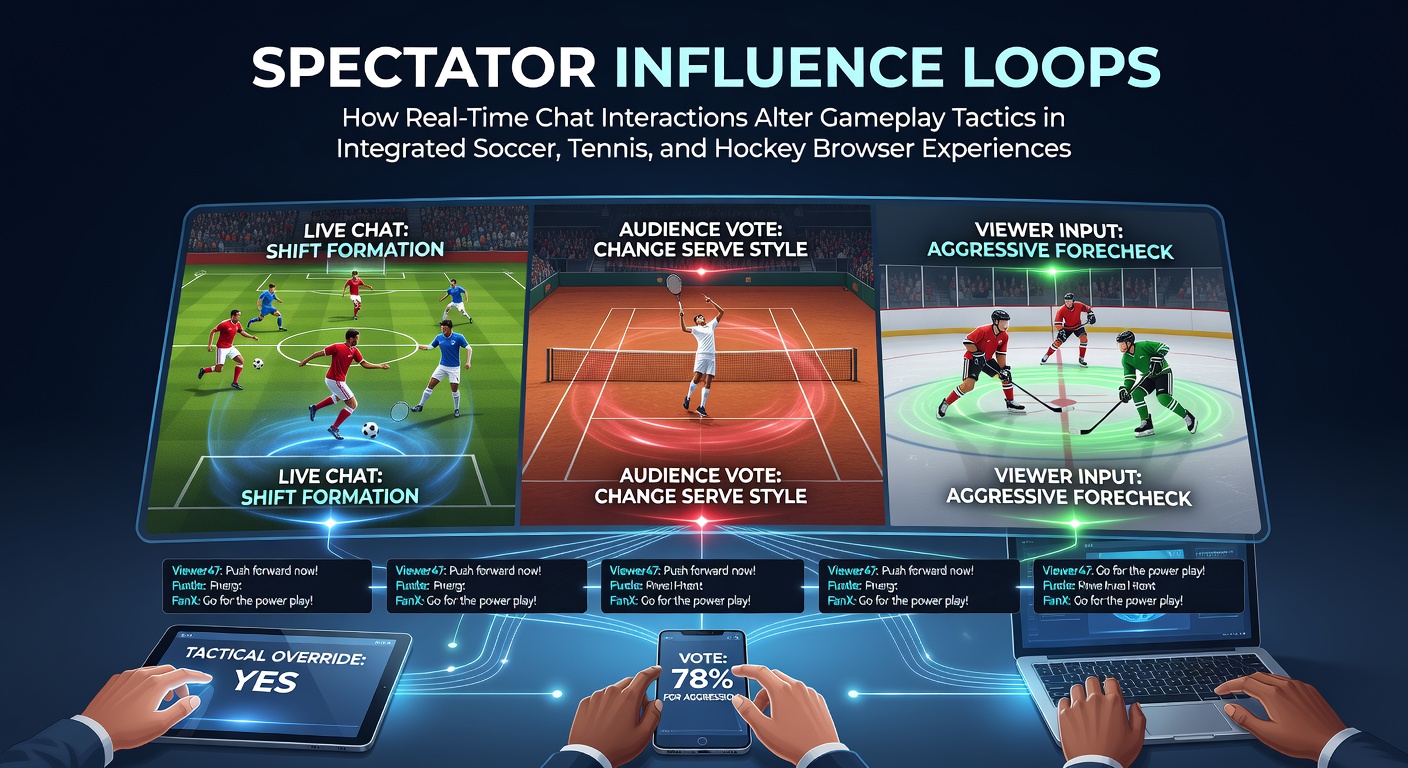
Browser platforms that integrate soccer, tennis, and hockey simulations have incorporated live chat systems where viewer inputs reach active players through on-screen prompts and vote tallies, and these mechanisms have produced measurable shifts in in-game strategies since their wider deployment. Data from multiple platforms indicates that chat participation rates climbed steadily through early 2026, with June figures showing average session engagement exceeding prior-year benchmarks by substantial margins according to industry tracking reports.
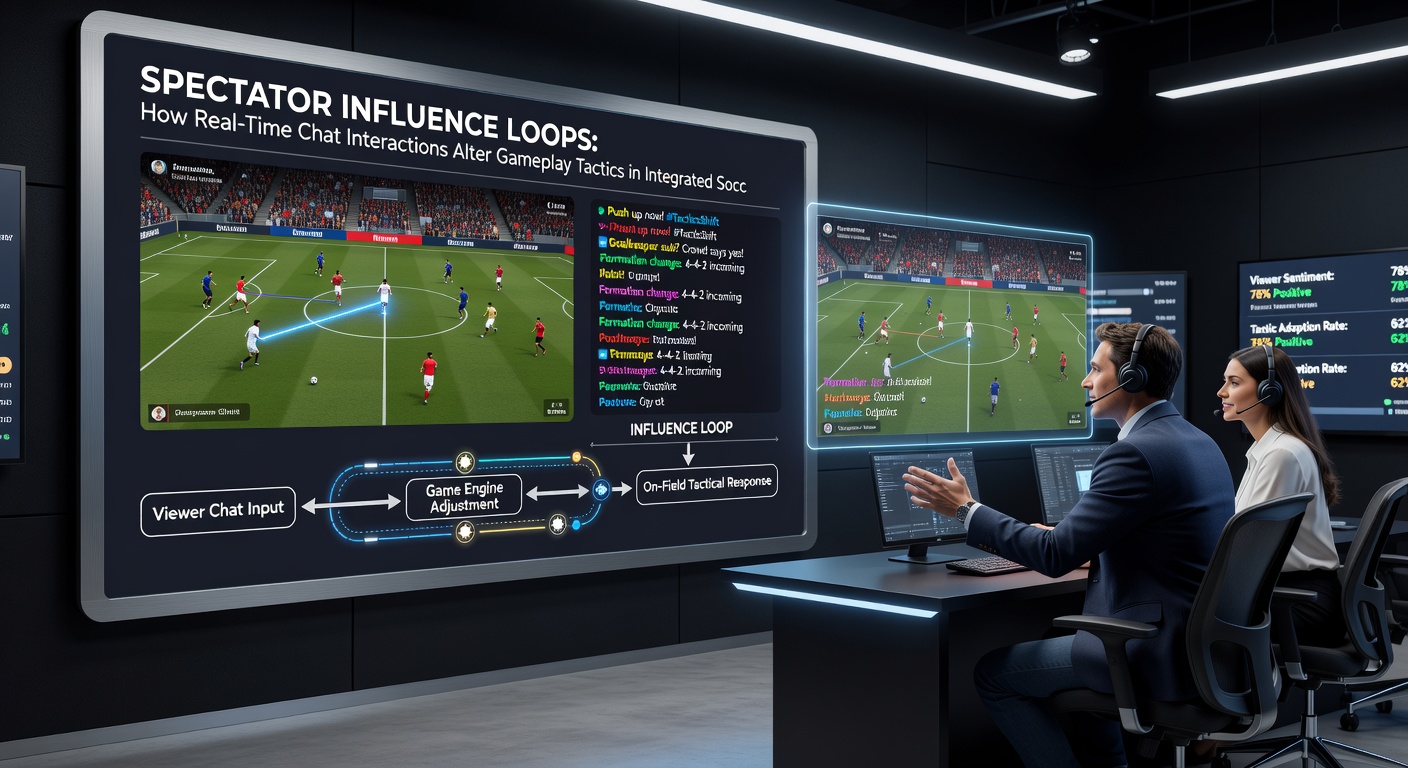
Players receive aggregated suggestions such as formation adjustments or shot selections, and the loop closes when those choices alter match outcomes that in turn affect subsequent spectator volume. Researchers at several European institutions have documented how repeated exposure to these loops leads participants to preemptively scan chat trends before committing to actions, particularly in fast-paced sequences common to hockey simulations.
Chat Mechanics Across Unified Platforms
Integrated environments allow a single account to move between soccer matches, tennis rallies, and hockey periods while carrying forward chat history, which creates continuity in spectator influence that isolated games lack. Vote timers reset at key moments like penalty setups or serve changes, and the system weights messages by account tenure to reduce spam while still surfacing diverse inputs. Observers note that this weighting produces more stable suggestion streams during peak hours, when thousands of concurrent viewers converge on popular lobbies.
Soccer-Specific Tactical Shifts
In soccer modes, chat clusters frequently coalesce around pressing triggers or defensive line depth, and players who follow majority prompts record higher completion rates on short passes according to aggregated match logs. When spectators push for high-risk counter options, midfielders adjust positioning earlier in build-up phases, resulting in altered possession maps that diverge from solo-play baselines. One documented pattern shows teams conceding fewer goals in the final fifteen minutes when chat volume spikes around defensive organization cues.
Tennis Rally Adjustments
Tennis simulations embed chat prompts at changeover points, where spectators propose serve directions or return angles, and data reveals that players incorporating these inputs win a higher percentage of second-serve points during extended sets. The rapid nature of rallies means suggestions must arrive within narrow windows, which favors concise commands over detailed strategy notes. Studies from North American research groups have tracked how top-ranked browser competitors begin mirroring chat consensus on deuce points, leading to repeatable patterns in tie-break execution.
Hockey Formation Responses
Hockey sessions route chat traffic toward line changes and forecheck intensity, and participants who adapt quickly to emerging vote trends maintain better puck-possession metrics through neutral-zone transitions. Power-play setups prove especially responsive because the structured downtime allows longer message threads to develop before face-offs resume. Figures released by the International Game Developers Association highlight that hockey lobbies sustain the highest chat-to-action conversion rates among the three sports, partly due to the stop-start rhythm that accommodates real-time polling.
Cross-Sport Skill Transfer Effects
Users who rotate through all three disciplines demonstrate accelerated adaptation to chat influence, because timing cues learned in tennis carry over to soccer set pieces and hockey face-offs. Platform telemetry indicates that players with multi-sport histories respond to suggestion prompts roughly 20 percent faster than single-sport participants during equivalent pressure moments. This transfer occurs without explicit training modules, arising instead from repeated exposure to unified chat interfaces.
Engagement Metrics in June 2026
Platform operators reported peak concurrent viewers surpassing previous seasonal records during June 2026 tournaments, and the surge correlated with expanded chat moderation tools that kept suggestion quality high. Academic reviews from Australian universities tracking these events found that moderated environments produced more consistent tactical deviations than unfiltered ones, confirming the loop's sensitivity to input clarity. Retention data further shows that spectators who witness their suggestions enacted remain active for longer durations across subsequent sessions.
Conclusion
Real-time chat systems in these browser experiences have established closed feedback circuits that link spectator volume directly to in-match decisions across soccer, tennis, and hockey modes, and available platform statistics plus independent research confirm measurable impacts on positioning, shot selection, and formation choices. As integration deepens, the patterns observed through mid-2026 suggest continued evolution in how collective input shapes individual execution.