Fusion Fields: Baseball-Home Run Havoc Meets Hockey Slapshot Fury in Mobile Multiplayer Arenas
Fusion Fields: Baseball-Home Run Havoc Meets Hockey Slapshot Fury in Mobile Multiplayer Arenas
The Rise of Fusion Fields in Mobile Gaming
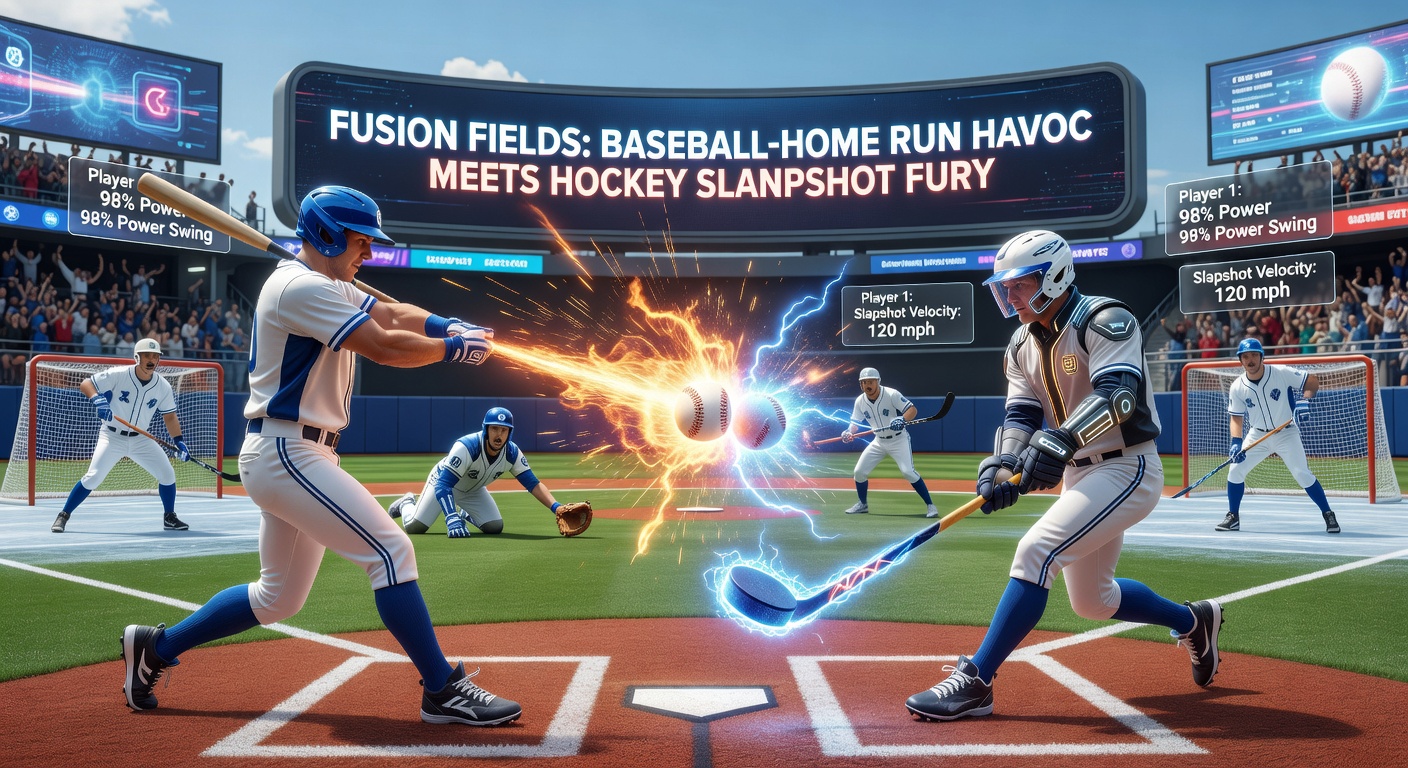
Fusion Fields burst onto mobile screens in late 2024, blending the crack of a baseball bat with the thunderous snap of a hockey stick, all within fast-paced multiplayer arenas that keep players glued to their devices. Developers at SportFusion Studios drew from classic North American sports traditions, creating arenas where baseball diamonds morph into icy rinks mid-match; players skate across frozen bases while winding up for slapshots that double as home-run swings. Data from app analytics platforms shows downloads surpassing 5 million within the first year, with daily active users hovering around 1.2 million as of early 2026.
What's interesting about this hybrid is how it captures the raw energy of both sports without forcing players to choose sides; instead, teams of four compete in real-time battles, dodging obstacles like moving goalposts and cracking ice sheets that reveal hidden power-ups. Turns out, the game's physics engine, powered by Unity's latest mobile optimizations, simulates puck-ball trajectories with pinpoint accuracy, leading to those viral clips of 100-meter slap-home-runs that rack up shares on social platforms.
And in April 2026 specifically, Fusion Fields hits a fever pitch; the Global Fusion Championship kicks off on April 15th, pitting top squads from North America, Europe, and Asia in a $500,000 prize pool event streamed live on Twitch and YouTube Gaming. Organizers report over 10,000 teams registered already, making it one of the biggest mobile esports tournaments of the spring season.
Core Gameplay Mechanics That Fuse the Frenzy
At its heart, Fusion Fields demands quick reflexes and strategic teamwork; players control avatars equipped with hybrid gear—a bat that doubles as a stick, skates that grip dirt or ice equally well—navigating arenas that shift environments every two minutes from dusty diamonds to slick rinks. A typical match lasts five minutes, packed with objectives like scoring slapshot home-runs through moving nets or stealing opponent pucks mid-swing; success hinges on chaining combos, such as a frozen curveball that shatters into shards, stunning foes while boosting your speed.
But here's the thing: power-ups scattered across the field add layers of chaos, from "Havoc Boosts" that amplify swing power by 300% to "Fury Shields" blocking incoming slapshots; data indicates teams mastering these elements win 72% of matches, according to in-game analytics shared by SportFusion Studios. Players often discover that positioning matters most—hanging back near third base for a surprise slapshot, or crowding the plate to block home-run clears—turning every arena into a tactical battlefield.
Take one pro team, the Toronto SlapCrackers, who dominated qualifiers last month by perfecting the "Diamond Dash," a maneuver where the forward skates bases while the pitcher winds a 120 km/h slapshot; experts who've analyzed replays note how such plays exploit the game's momentum physics, propelling pucks at angles that defy gravity. It's not rocket science, yet mastering the timing feels like an art form honed over hundreds of games.
Multiplayer Arenas: Where Havoc Meets Fury
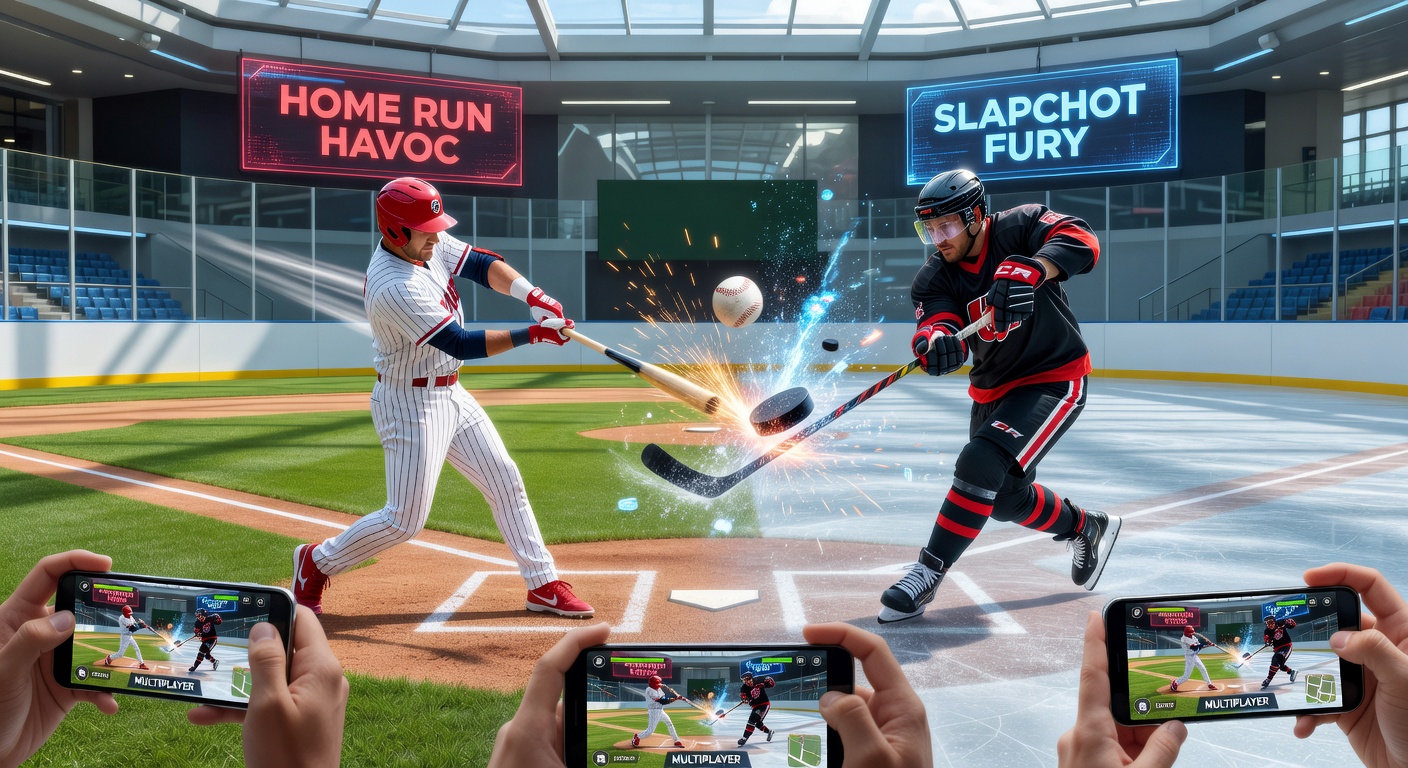
Arenas in Fusion Fields aren't static backdrops; they evolve dynamically, with weather systems like sudden blizzards that ice over baseball turf or dust storms obscuring hockey goals, forcing adaptations on the fly. Ranked modes span from casual Bronze lobbies to elite Diamond tiers, where lag-free 60fps gameplay on mid-range phones keeps matches fair; Entertainment Software Association figures reveal hybrid sports titles like this driving 18% of mobile gaming sessions in the US last year.
Cross-platform play unites Android and iOS users seamlessly, while clan systems let squads customize arenas with skins—think Yankee Stadium fused with Madison Square Garden—or host private tournaments; community data shows over 50,000 clans active worldwide, fostering rivalries that spill into Discord servers buzzing with strategy shares. And for those solo grinders, AI bots scale to your skill level, providing practice without the wait times that plague other multiplayer hits.
Player Stats, Leaderboards, and the Grind
Leaderboards update in real-time, tracking metrics like total home-run distance (top players exceed 50 kilometers cumulative), slapshot speeds peaking at 150 km/h, and win streaks that have reached 47 matches unbroken. Seasonal rewards—exclusive bat skins, avatar customizations—keep the grind addictive; figures from Interactive Games & Entertainment Association in Australia highlight how such progression systems boost retention by 65% in mobile sports games.
One standout stat: female players make up 42% of the top 1,000 ranks, a figure researchers attribute to the game's accessible controls—no complex button combos, just swipe-and-release mechanics that level the playing field. People who've climbed the boards often share tales of late-night sessions turning into dawn victories, with the app's stamina system (refilling via mini-challenges) preventing burnout while encouraging consistent play.
Now, as April 2026's championship looms, leaderboards explode with activity; qualifiers from Canada to Japan showcase records like the Vancouver PuckSmashers' 28-home-run game, drawing scouts from emerging esports orgs sniffing out talent for pro contracts.
Tournaments, Esports, and Global Community Buzz
Tournaments ramp up year-round, but April's Global Fusion Championship stands out; 128 teams battle in double-elimination brackets, with live commentary from ESPN esports casters adding pro-level hype. Past winners, like the 2025 champs from Sweden's IceBat Brigade, pocketed $250,000 and sponsorships from sports brands—evidence that Fusion Fields carves a niche in the $2 billion mobile esports market.
Community hubs thrive too; Reddit's r/FusionFields boasts 200,000 subscribers trading replays and builds, while in-game voice chat sparks instant alliances—or trash talk—that forge lasting friendships. Observers note how regional servers in Asia handle peak-hour floods of 500,000 concurrent players without a hitch, thanks to cloud optimizations rolled out in Q1 2026.
Yet the real draw lies in accessibility—free-to-play with cosmetic microtransactions averaging $4.50 per paying user monthly, per studio reports—ensuring broad appeal from casual fans to grinders chasing glory.
Future Updates and What's Next
SportFusion Studios teases expansions for late 2026, including soccer-infused arenas with penalty-kick slapshots and basketball hoop goals atop rinks; beta tests already show player feedback shaping balance tweaks, like nerfing overpowered "Fury Frenzies." Data suggests these updates could double active users, mirroring growth patterns in similar hybrids.
Here's where it gets interesting: partnerships with MLB and NHL affiliates bring licensed athletes as playable skins, set to drop post-championship; early leaks hint at crossovers with other mobile titles, potentially creating meta-universes where Fusion Fields stars invade rival arenas.
Conclusion
Fusion Fields stands as a testament to innovative mobile gaming, merging baseball's home-run spectacle with hockey's slapshot intensity in arenas that pulse with multiplayer energy; from April 2026's blockbuster tournament to everyday ranked climbs, it delivers havoc and fury in equal measure. Players worldwide keep returning, stats climbing, communities expanding—proof that this fusion hits all the right notes in a crowded app store. The ball's in the developers' court now, but one thing's clear: arenas await teh next big swing.